Discover How To Use a Drain Cleaning Bladder Without Damaging Your Pipes
Before you inflate that drain cleaning bladder and connect it to your garden hose, you need to understand the proper technique to avoid turning a simple clog into a plumbing emergency. Drain bladders can be incredibly effective, but they can also burst old pipes, damage joints, and create leaks if used improperly.
At Mammoth Plumbing, we've repaired too many Bay Area homes where well-intentioned DIY drain cleaning procedures went wrong. In this post, we share precise steps on how to use a drain cleaning bladder safely and effectively while protecting your plumbing system.
What Is a Drain Cleaning Bladder and When Should You Use It?
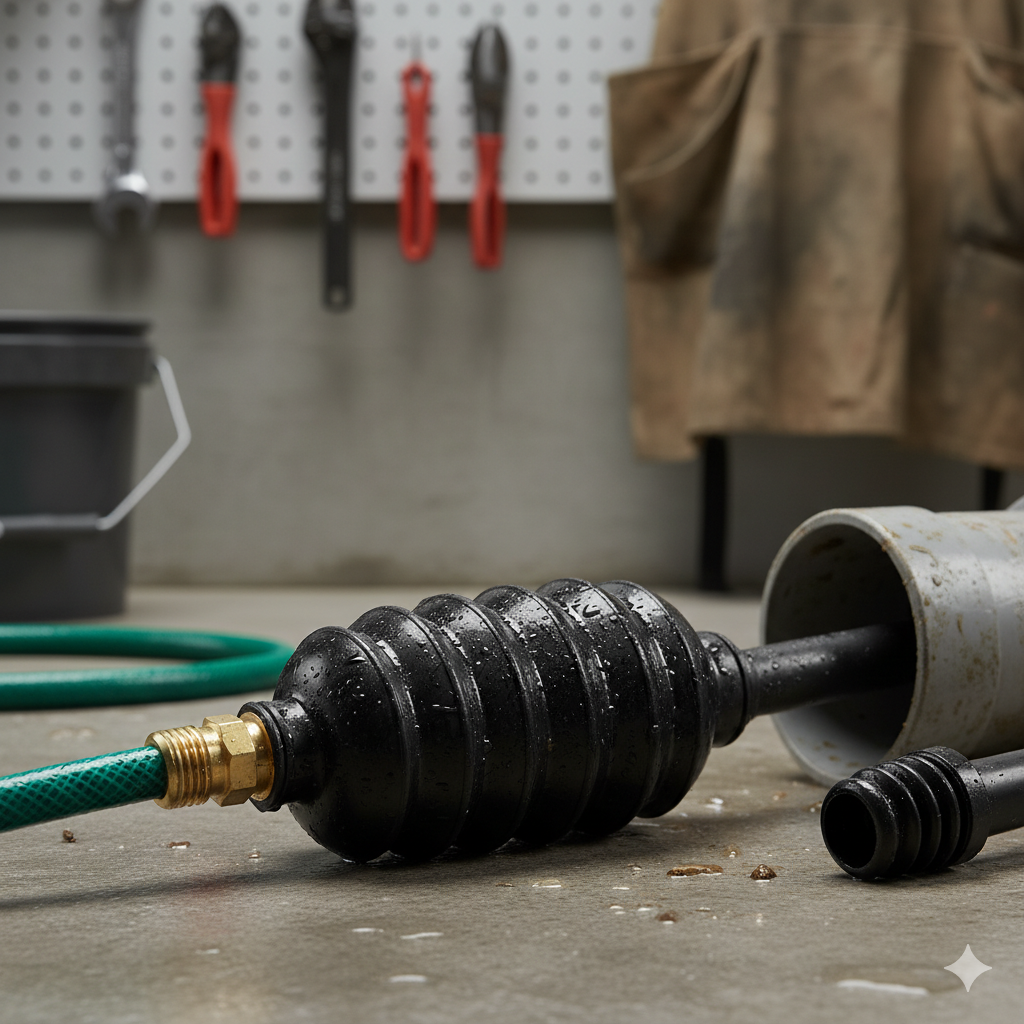
A drain cleaning bladder is an inflatable rubber device that uses water pressure to push clogs through your drainage system. When connected to a garden hose and inserted into a drain, the bladder inflates to seal the pipe opening and then directs pressurized water to dislodge blockages downstream.
Here are the types of clogs that are best suited for bladder cleaning:
- Soft organic matter, like hair, soap buildup, and food particles
- Sand, dirt, and debris in outdoor drains
- Grease blockages that have solidified in pipes
- Multiple small clogs that restrict the water flow
Never use a drain bladder under the following conditions:
- Your pipes are older than 30 years or show signs of deterioration
- Cast iron or clay pipes that may be brittle
- Recently repaired joints or connections
- Complete blockages where water won't flow
- Toilet clogs (use toilet-specific bladders only)
How To Use a Drain Cleaning Bladder Safely in 5 Steps
Carefully observe these steps when using a drain cleaning bladder:
Step 1: Get Ready and Wear the Right Safety Equipment
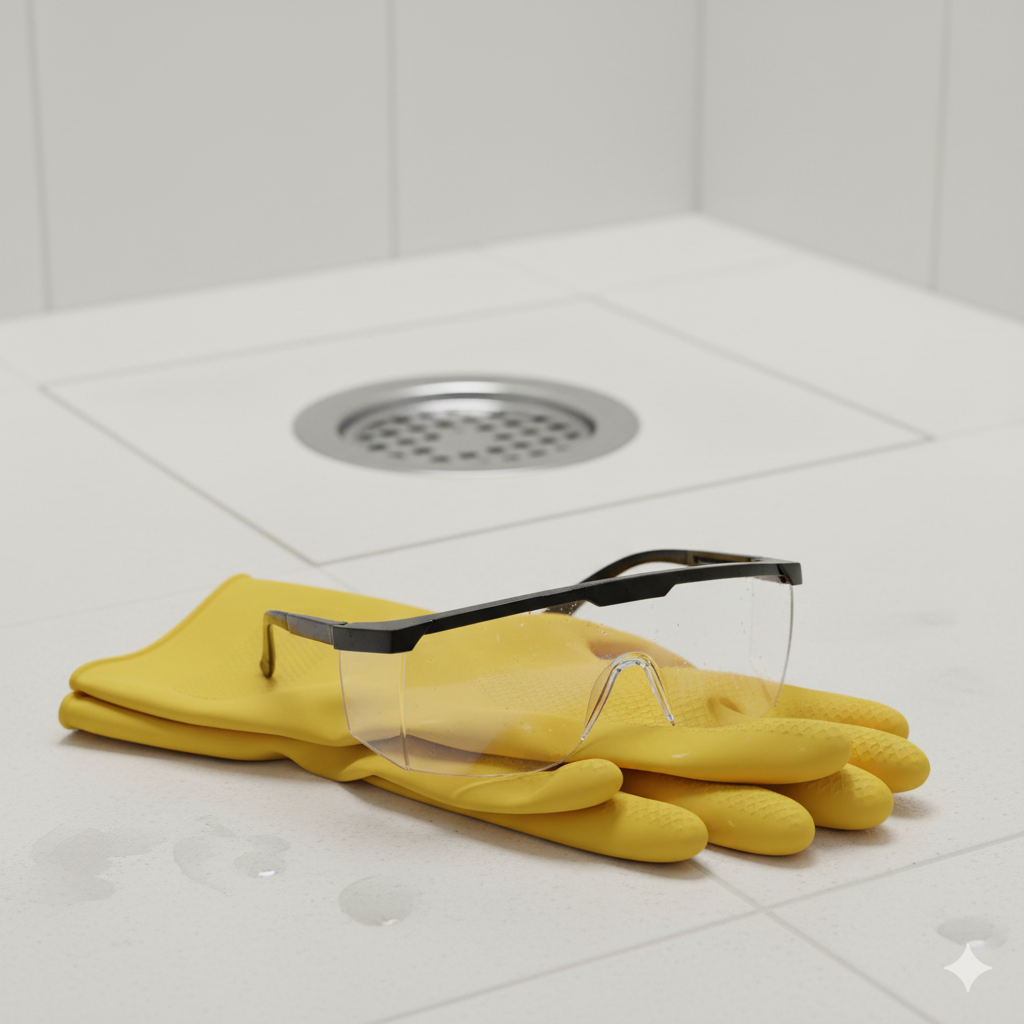
Shut off the electricity in nearby outlets. Wear safety glasses and rubber gloves. Locate your water main shutoff valve and test your garden hose connection. Remove the drain cover and clear visible debris from the opening.
Step 2: Choose the Right Bladder Size
Select a drain-cleaning bladder slightly smaller than your pipe diameter. Most residential drains use 2-inch to 4-inch bladders. Inspect the bladder for cracks or wear that could cause failure.
Step 3: Connect Everything and Control the Pressure
Insert the deflated bladder into the drain opening with 6 inches protruding. Connect your garden hose securely and turn on the water gradually. Monitor the pressure carefully. Most systems should not exceed 30 to 35 PSI.
Step 4: Monitor the Cleaning Process
Once the bladder inflates, slowly increase the water pressure and listen for changes in the flow—that’s your cue that it’s working. Mammoth Plumbing recommends using short bursts of pressure rather than leaving it running continuously. If the clog doesn’t budge after 10 to 15 minutes, stop and reassess before trying again.
Step 5: Finish Up Safely
When the drain finally clears, turn off the water and let the bladder fully deflate before pulling it out. Remove it carefully, straight from the drain, and turn on the tap to make sure everything’s flowing smoothly.
Common Mistakes That Can Damage Your Pipes

Even a small mistake can turn a simple drain fix into costly pipe damage. Here are common errors to watch out for:
- Excessive water pressure: Pressure above 35 PSI can burst joints and crack pipes
- Wrong bladder size: Oversized bladders can't seal; undersized ones require a dangerous amount of pressure
- Ignoring pipe age/material: Older pipes in San Francisco homes become brittle over time
- Sustained pressure: Continuous high pressure stresses pipes, creating safety hazards
- Forcing stubborn clogs: Persistent blockages often require professional intervention
When To Call Mammoth Plumbing
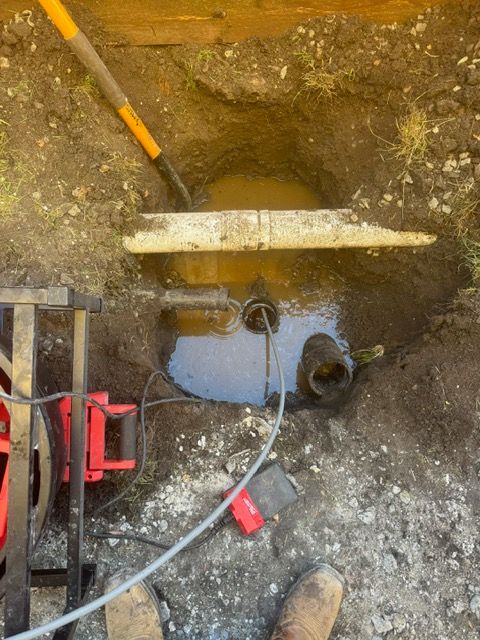
Some drain problems are just too stubborn for DIY fixes. When blockages affect several lines or keep coming back, it’s time to call Mammoth Plumbing. In older areas like Daly City, main sewer lines often need special tools and experience to handle safely.
And if you’ve got a sewage backup, that’s an emergency. With San Francisco’s mix of vintage plumbing and newer systems, having an experienced plumber makes all the difference.
Mammoth Plumbing: Reliable Drain Services

Understanding how to use a drain cleaning bladder safely empowers you to tackle certain clogs, while knowing your limitations protects your plumbing system from damage. The key lies in proper preparation, appropriate pressure control, and recognizing when professional help is needed. Drain bladders are effective for specific types of blockages, but they aren’t a universal solution for all drainage problems. Success depends on matching the right tool to the right situation while following safety protocols throughout the process.
Mammoth Plumbing has been helping Bay Area residents with DIY guidance and
professional drain cleaning services for decades. Whether you need advice on proper drain bladder techniques or professional intervention for complex clogs,
contact us for reliable solutions that keep your plumbing system healthy and functional.