Factors That Affect the Cost of Whole House Repiping
When homeowners call Mammoth Plumbing asking what a whole-house repipe costs, the honest answer is: it depends on more variables than are typically explained upfront. After handling repiping projects across San Francisco, Daly City, and the Bay Area peninsula, our team has seen price differences of more than $3,000 between homes that look nearly identical on the surface.
This guide breaks down what actually drives whole house repipe cost so you can evaluate any quote with confidence.
Why Do Repipe Estimates Vary So Much?
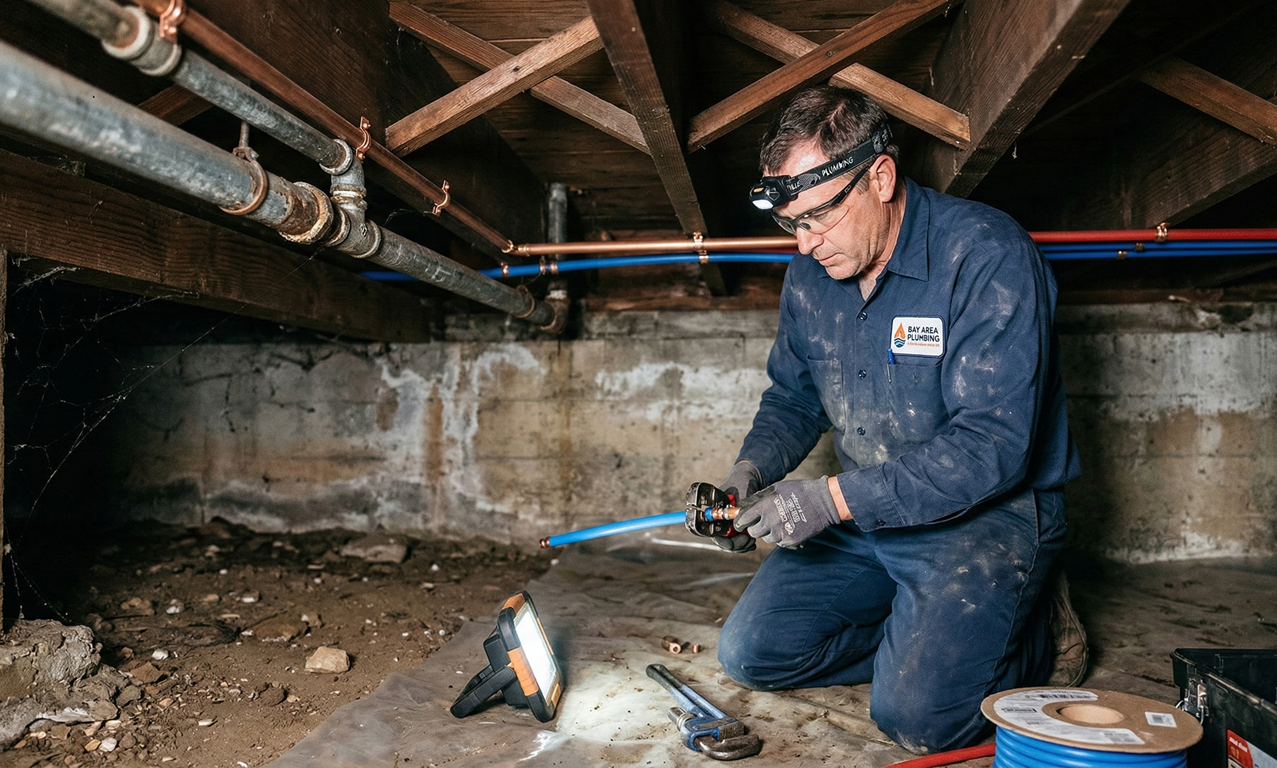
The range you'll see in repipe quotes—typically $4,000 to $15,000 or more—reflects real decisions about materials, labor complexity, and your home's layout. Understanding them helps you ask better questions before signing anything.
Footage alone doesn't tell the full story. How your home is laid out matters just as much as how large it is.
The real driver is the total pipe length required to reach every fixture. A two-story San Francisco Victorian with bathrooms stacked vertically needs less horizontal pipe run than a single-story Daly City ranch where the kitchen, laundry, and bathrooms are spread across the floor plan. More pipe run means more material and more hours of labor.
The number of fixtures also affects how much you’ll pay for plumbing. A home with two bathrooms and a kitchen will have a different scope than one with three bathrooms, a wet bar, and outdoor hose bibs. Every connection point requires time and fittings.
How Pipe Material Affects Pricing

The pipe material you choose is one of the most consequential decisions in a repipe project. The two standard materials for whole-house repiping are copper and PEX (cross-linked polyethylene).
Copper
Copper has a higher material cost, but it carries a 50-plus year lifespan, has natural antimicrobial properties, and holds up well under high pressure. It's often the preferred choice for older San Francisco homes where matching existing infrastructure or meeting historic renovation standards matters.
PEX
PEX costs less per linear foot and can be installed faster. It's flexible, requires fewer fittings, and can snake through walls with less disruption to finished surfaces. When retrofitting homes with limited access, common in Daly City's mid-century housing stock, PEX often cuts labor hours and reduces drywall repair after the job. That savings can partially or fully offset the material price gap, depending on the project.
Accessibility and How Your Home Was Built
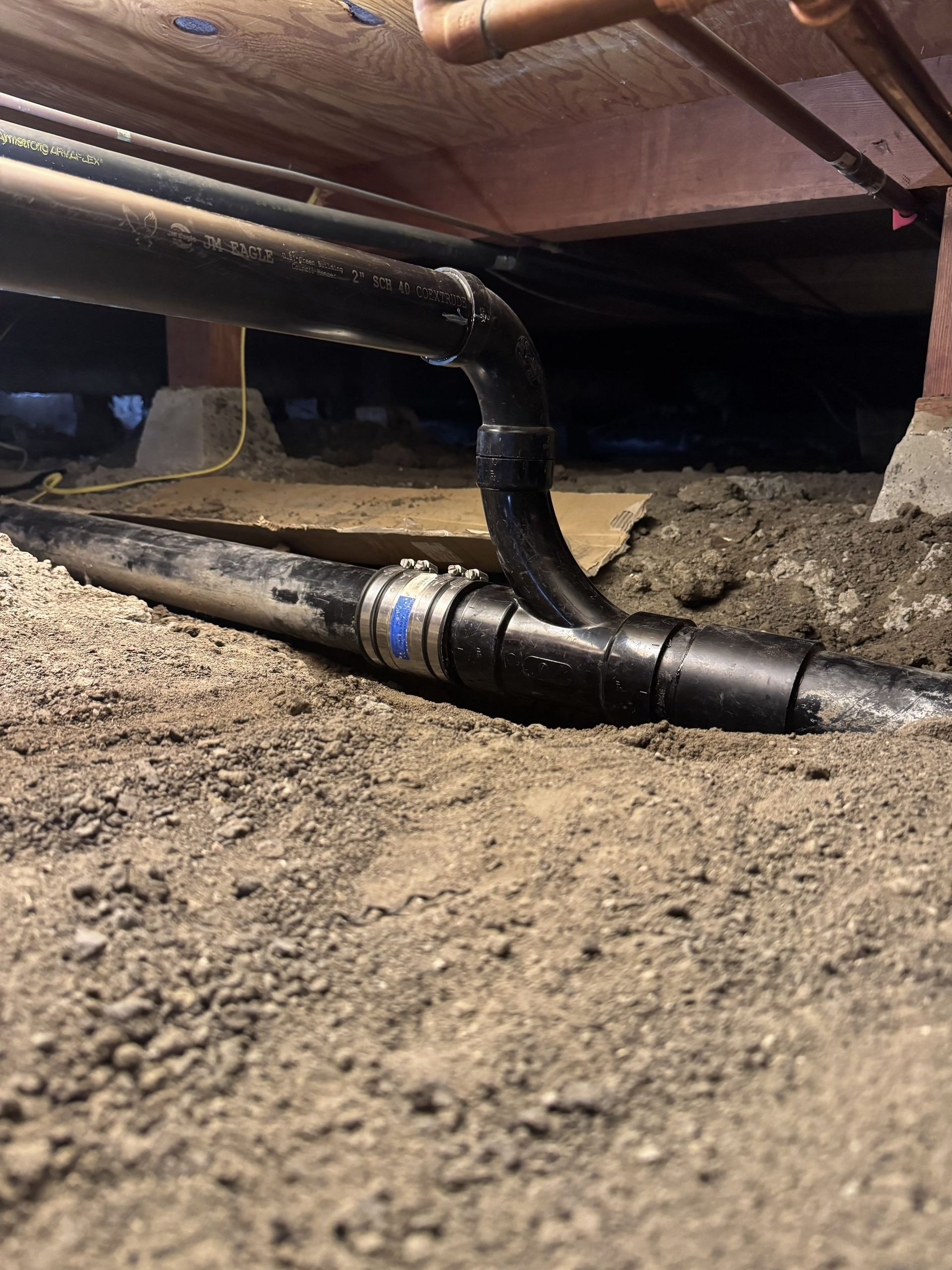
This is the factor that isn’t often discussed with homeowners during initial consultations. Two homes with identical square footage and fixture counts can carry very different repipe costs based on how difficult the existing pipes are to reach.
- Open crawl space: Plumbers can run new lines without cutting into walls or ceilings
- Slab foundation: Pipe runs through finished walls, tile, or concrete require more demolition and more patching afterward
- Unusual routing: Some Bay Area homes have plumbing routed through areas that made sense decades ago but take significant work to access today
Whole-house repiping in a home with poor pipe access can run 20 to 30 percent higher than the same project in a home with an open crawl space—not because the hourly rate changes, but because the job takes longer.
Permits, Labor, and Local Code Requirements

Permits aren't optional in San Francisco and the surrounding peninsula cities. Skipping them creates problems that outlast the savings.
Permitted work is inspected and documented, which matters at resale. In a Bay Area market where buyers and their inspectors scrutinize disclosure paperwork closely, unpermitted plumbing is a liability, not a savings.
Mammoth Plumbing manages the full permitting process—documentation, applications, and inspection coordination—so homeowners don't navigate city or county building departments on their own.
Bay Area labor rates reflect the cost of operating in one of the country's most expensive markets. A lower quote from an unlicensed plumber looks attractive on paper until the work fails inspection or something goes wrong and there's no work guarantee to fall back on.
Mammoth Plumbing: Honest, Transparent Pricing

The only number worth planning around is based on a proper on-site assessment. Mammoth Plumbing's transparent, upfront pricing starts with a thorough inspection that covers:
- Existing pipe material
- Fixture count
- Access conditions
- Permit requirements for your home
If your home still has original galvanized piping installed before 1970, the case for repiping is usually straightforward. Galvanized steel corrodes from the inside out, restricting flow and eventually failing. Polybutylene pipe, a gray plastic material installed widely from the late 1970s through the mid-1990s, is known to degrade without warning. Both materials are common in older Bay Area homes, and replacing them before they fail costs far less than addressing the water damage that follows.
Mammoth Plumbing serves homeowners across San Francisco, Daly City, Burlingame, San Mateo, Hillsborough, and the Bay Area peninsula with licensed, insured repiping and a written guarantee on all labor and materials. Get a free quote and find out exactly what your repipe will cost.